
Los bofedales: ecosistemas de vida e inspiración artística
En BioDiversiCuentos la biodiversidad merece ser observada y reconocida. Al recrear los bofedales en Ixkara, procuramos que los animales no son simples detalles del paisaje, sino protagonistas de una comunidad viva. Cada especie ilustrada cumple una función ecológica y representa la extraordinaria diversidad.
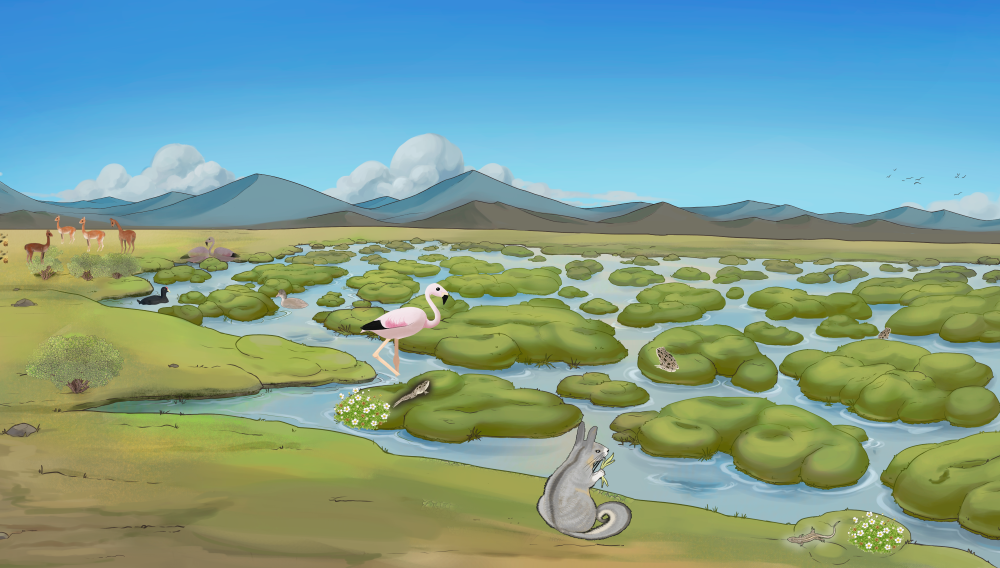
El término bofedal es propio de los Andes de Bolivia, Perú, Chile y parte del norte de Argentina, y se refiere a un tipo de humedal altoandino formado por praderas naturales que permanecen húmedas durante gran parte del año. En regiones secas como el altiplano boliviano, estos ecosistemas son esenciales para la conservación de la biodiversidad y para el bienestar de las comunidades que dependen de ellos.
Su importancia radica:
- Son una de las mejores praderas naturales para la alimentación de llamas, alpacas, vicuñas y otros herbívoros, gracias a la abundancia de plantas de alto valor nutritivo.
- Funcionan como reservorios naturales de agua, almacenándola y liberándola lentamente, lo que ayuda a regular el ciclo hídrico y garantiza la disponibilidad de este recurso para la flora, la fauna y las personas.
- Albergan una extraordinaria diversidad de plantas y animales que encuentran en estos humedales alimento, refugio y sitios para reproducirse
Por su enorme importancia ecológica y cultural los bofedales no podían falar en la historia de Ixkara la vizcacha aventurera. Durante la búsqueda de un nuevo hogar, Ixkara llega a un bofedal. En él ella descansa, recupera sus fuerzas, se maravilla con la riqueza de animales y encuentra alimento para continuar su viaje.
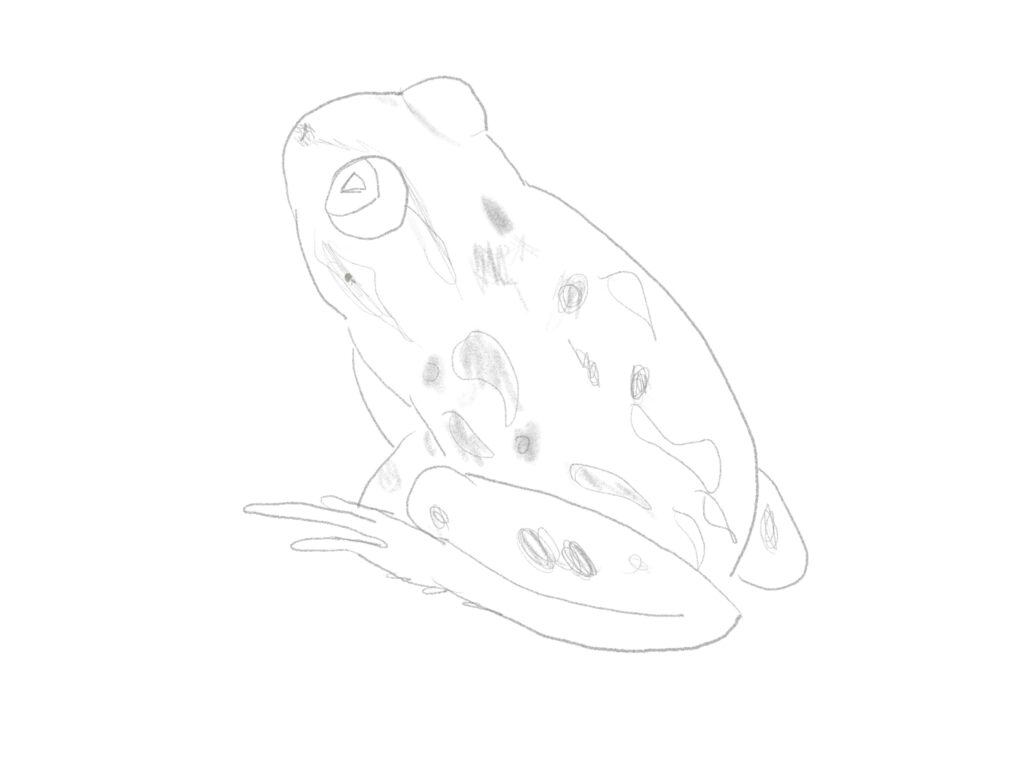
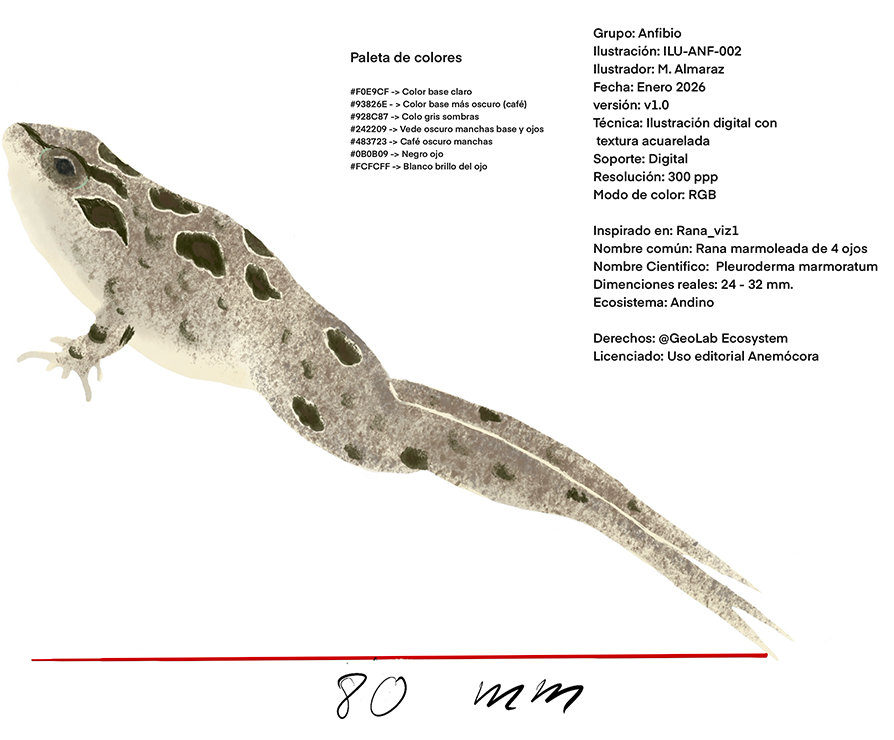
En las ilustraciones descubrirás algunos de los habitantes más representativos de estos ecosistemas, como la elegante vicuña (Vicugna vicugna), al flamenco andino (Phoenicoparrus andinus), ave elegante que es ya un ícono de los bofedales o la choca andina (Fulica ardesiaca). También aparecen pequeños, pero igualmente importantes, habitantes del bofedal, como la rana jamp’atu (Pleurodema marmoratum), conocidas como ranas de cuatro ojos marmoladas, por las manchas que presentan en la piel, y reptiles como la pequeña lagartija rayada nortina (Liolaemus alticolor) cuyo nombre hace honor al patrón de su piel con líneas que van a lo largo de su cuerpo.
Con estas ilustraciones buscamos representar, de manera sencilla pero fiel, la extraordinaria riqueza biológica de los bofedales, así como la belleza, tranquilidad y equilibrio que transmiten a quienes tienen la oportunidad de visitarlos. Son ecosistemas frágiles y vulnerables, cuya conservación es fundamental para proteger la vida en las montañas andinas.
Bofedales: High-Andean Wetlands that Inspire Life and art
At BioDiversiCuentos, we believe biodiversity deserves to be noticed and valued. In illustrating the bofedales for Ixkara, we wanted every animal to be more than part of the scenery. Each one is a protagonist in a vibrant living community, with its own ecological role and contribution to the extraordinary diversity of these high-Andean wetlands.
The Spanish word bofedal refers to a unique type of high-Andean wetland found in the mountains of Bolivia, Peru, Chile, and northern Argentina. Bofedales are natural grasslands that remain wet for most of the year, even in the cold and dry environments of the Andes.
In arid regions such as the Bolivian Altiplano, these remarkable ecosystems are essential for both biodiversity and the well-being of the people who depend on them.
Their importance lies in several key roles:
- They provide excellent natural grazing lands for llamas, alpacas, vicuñas, and other herbivores, thanks to the abundance of highly nutritious plants.
- They act like natural sponges, storing water and releasing it gradually throughout the year. This helps regulate the water cycle and ensures a steady supply of water for plants, wildlife, and local communities.
- They support an extraordinary diversity of life, providing food, shelter, and breeding sites for many species of plants and animals.
Because of their great ecological and cultural importance, bofedales could not be left out of Ixkara the Adventurous Viscacha. While searching for a new home, Ixkara arrives at one of these beautiful wetlands. There, she rests, regains her strength, marvels at the diversity of wildlife around her, and finds the food she needs to continue her journey.
In the illustrations, you will discover some of the most iconic inhabitants of these ecosystems, including the graceful vicuña (Vicugna vicugna), the striking Andean flamingo (Phoenicoparrus andinus), one of the best-known symbols of Andean wetlands, and the Andean coot (Fulica ardesiaca).
You will also meet some of the smaller—but equally important—residents of the bofedal, such as the marbled four-eyed frog (Pleurodema marmoratum), named for the eye-like markings on its back, and the striped Andean lizard (Liolaemus alticolor), recognized by the distinctive stripes running along its body.
Through these illustrations, we hope to capture the extraordinary biodiversity of the bofedales while conveying the beauty, tranquility, and harmony that make these wetlands so special. Although they may appear resilient, bofedales are fragile ecosystems. Protecting them is essential for conserving the unique wildlife and the natural heritage of the Andean mountains.